
Creep-Feed Grinding Coolants and Oils
Explore creep-feed grinding coolant selection, deep-contact delivery, wheel porosity, continuous dressing, profile control and surface integrity for demanding metal parts.
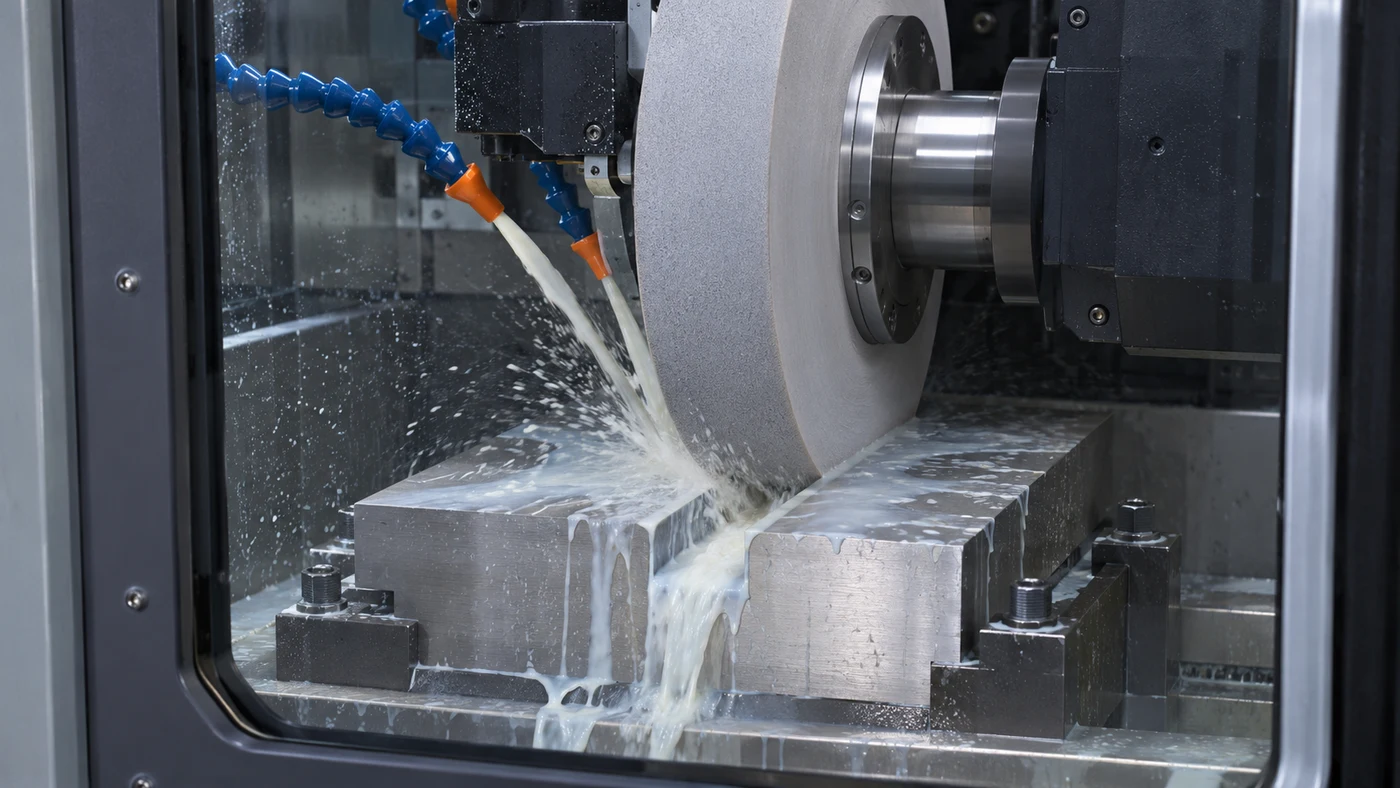
Watch: Creep-Feed Grinding Coolants and Oils
Creep-Feed Grinding: Deep Contact, Slow Traverse
Creep-feed grinding removes stock with a relatively deep engagement and slow work traverse, rather than the repeated shallow passes typical of reciprocating surface grinding. The abrasive wheel can produce slots, shoulders and shaped features, including suitable turbine-component profiles. A slow traverse does not mean a lightly loaded process: contact, removal demand and heat management must be reviewed together. Start with the material grade, hardness, incoming stock and drawing requirements. Identify the feature width and shape, corner radii and access for the wheel and fluid. Creep-feed capability depends on the machine, fixture, abrasive, dressing system and coolant supply working together. It is not created simply by slowing the table on an ordinary surface grinder. QA has coolant and grinding-oil options for evaluation with the actual supported process. This guide explains the questions to resolve before a controlled application trial.
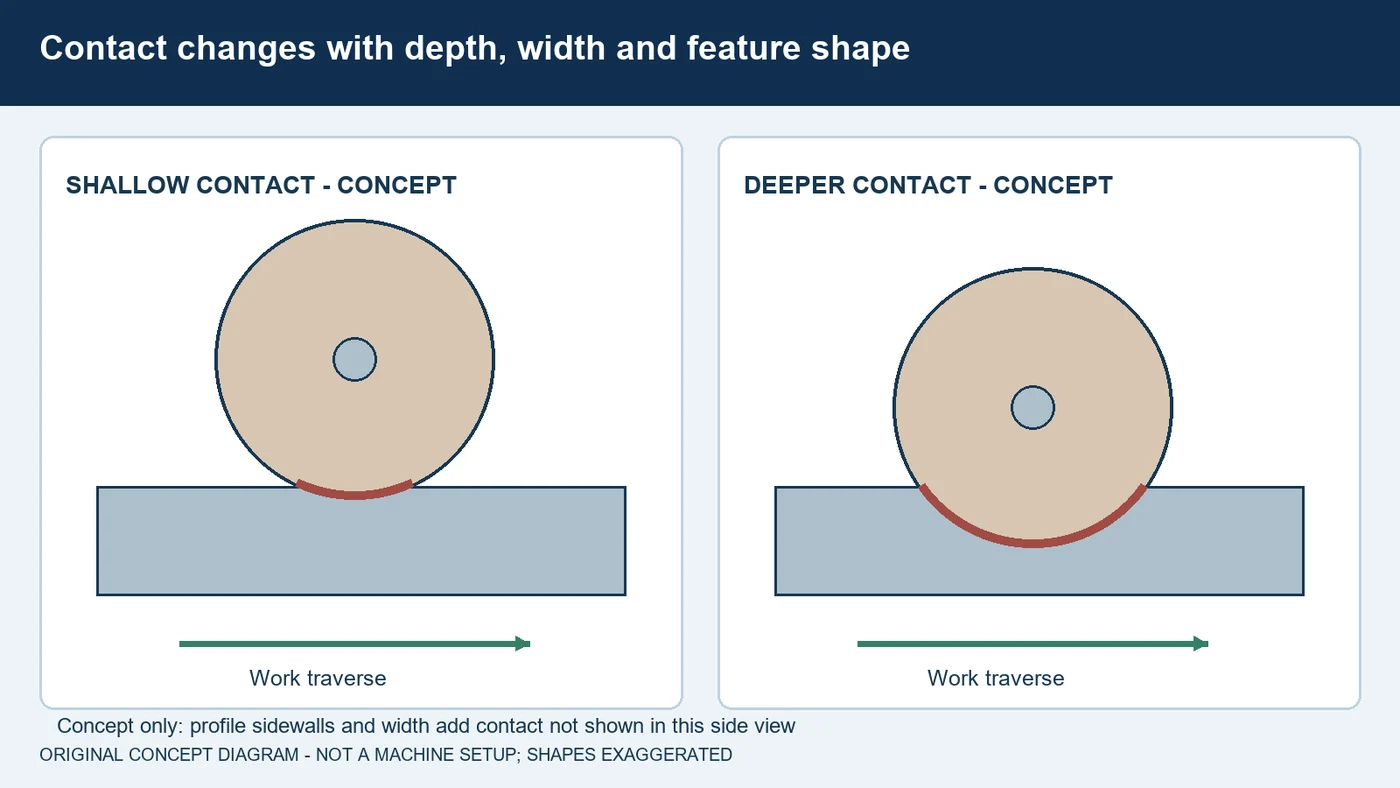
Read the Whole Contact, Not Only the Depth
Two features at the same nominal depth can present very different grinding conditions. Width, sidewall engagement, profile shape and the incoming stock determine how the wheel meets the work. Follow the complete programmed path, including entry into the material and exit from the feature. Confirm that the fixture supports the component without obstructing the supported coolant arrangement. Deep engagement can create a substantial contact region, so surface wetness outside that region is not evidence of effective cooling inside it. Review machine rigidity, available power and the permitted wheel assembly with the equipment supplier. Document the workholding and stock condition used in the accepted process. A change in blank shape, batch condition or fixture access should be evaluated before assuming that a previously successful fluid trial transfers unchanged.
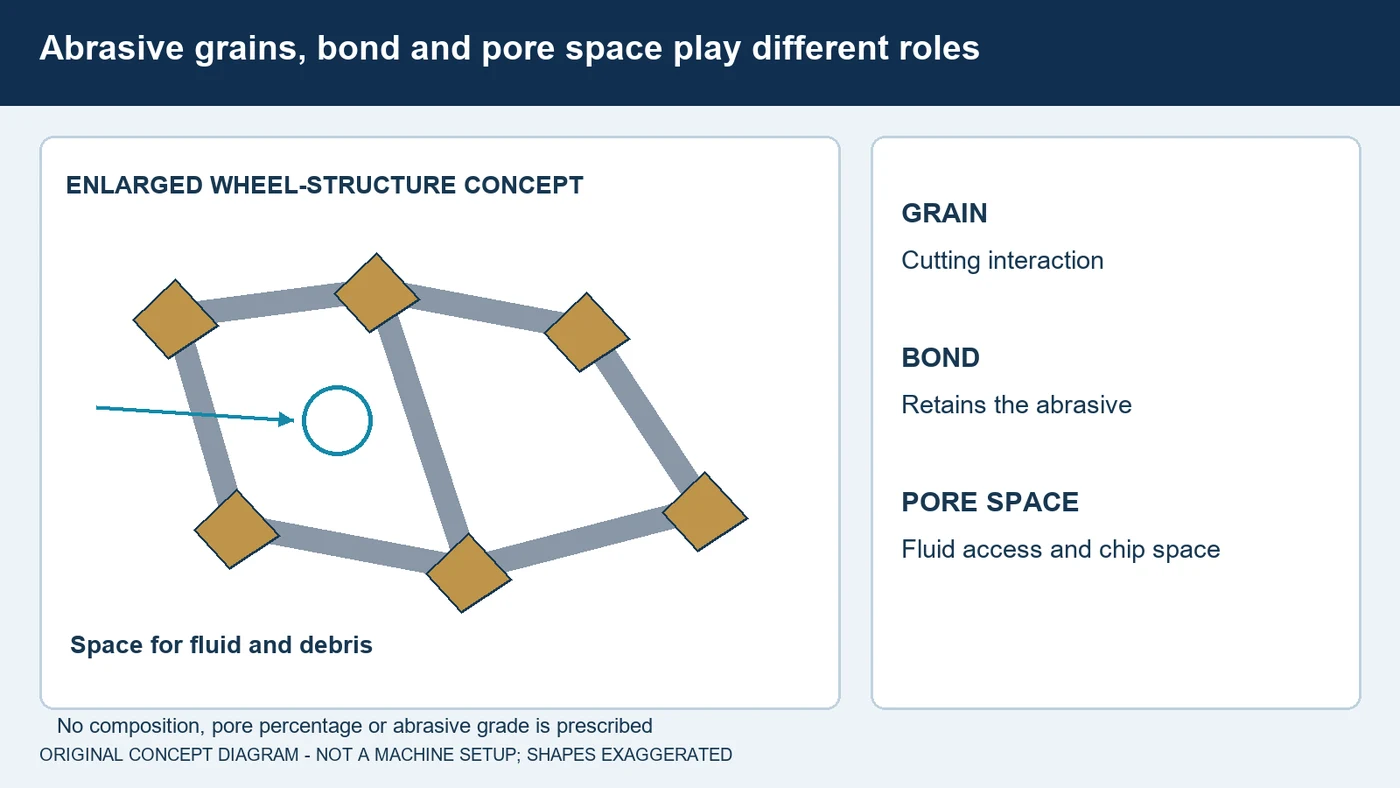
Abrasive, Bond and Pore Space Have Different Jobs
A creep-feed wheel has to remove material while preserving the required feature. In conventional vitrified systems, an open structure provides space for fluid and grinding debris, while the bond retains the abrasive grains. Grain choice, grade, structure and bond therefore belong in one specification review. A wheel that holds form differently can also change the dressing and delivery requirements. Do not assume that every creep-feed process uses the same conventional wheel. Supported superabrasive systems also exist, and plated, vitrified and resin-bonded constructions have different preparation and fluid requirements. Check the actual manufacturer's specification rather than selecting a coolant from the abrasive name alone. Record wheel condition and profile measurements during the trial. A fluid change should not conceal an unsuitable wheel, loading, wear or an unqualified assembly.
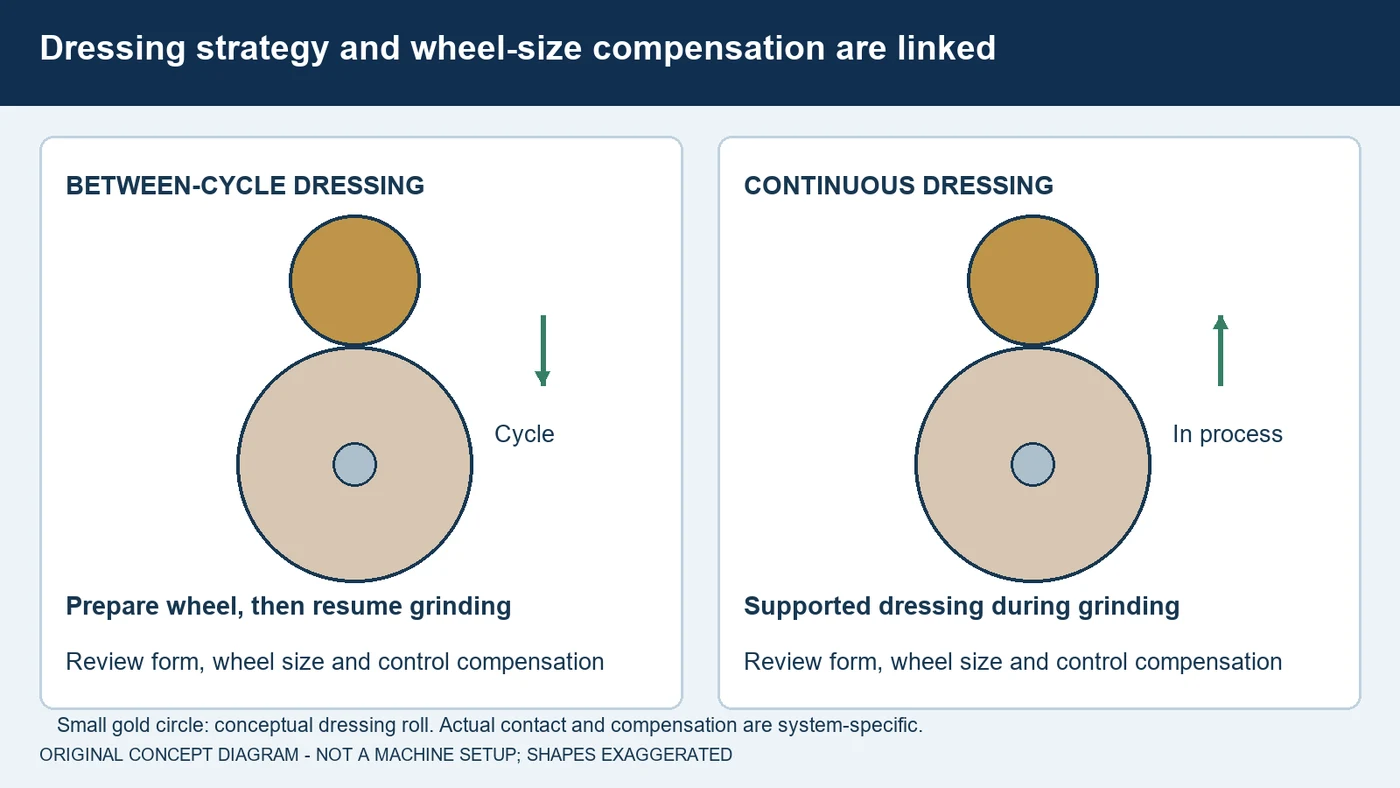
Coordinate Dressing and Wheel-Size Compensation
Wheel preparation is part of the creep-feed cycle. Truing restores the required geometry; dressing renews the working surface and chip space. Some applications dress between grinding cycles. Others use continuous dressing, with a supported diamond roll engaging the wheel during grinding. Continuous dressing is not a requirement for every creep-feed operation, and it does not make all wheels interchangeable. The control must account for the intended change in wheel size and preserve the required part geometry. Where available, nozzle tracking must also remain coordinated with the working wheel diameter and profile. Review dresser form, condition, mounting and the machine's compensation method before changing the process. Use the abrasive and machine suppliers' instructions for the actual system. There is no universal dressing ratio, feed or depth that qualifies every material and profile.
Separate Contact Supply from Wheel Cleaning
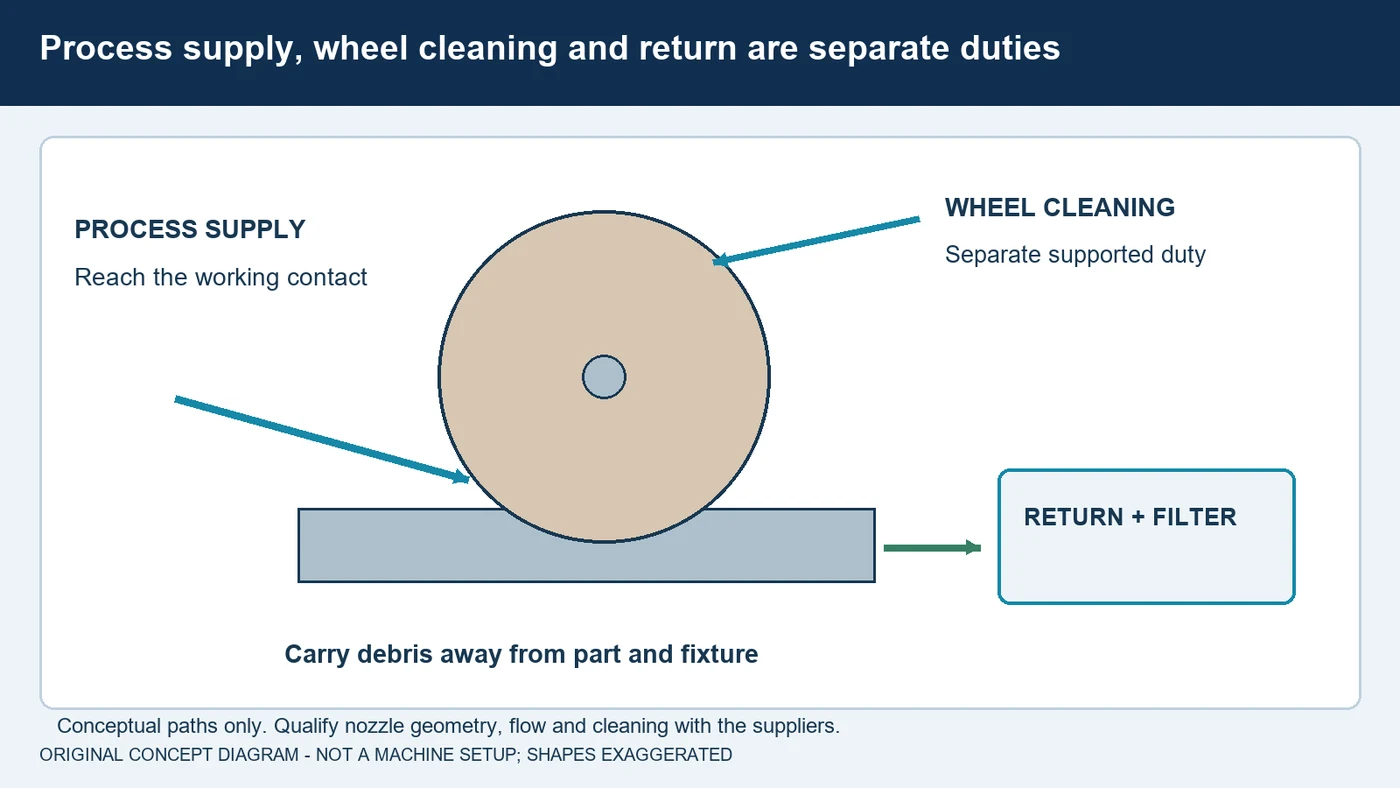
Fluid has several jobs in creep-feed grinding. The process supply must reach the active wheel-work contact. A separate cleaning supply may be used to keep the wheel face clear, and flushing carries debris away from the work and fixture. Those duties should be designed as a system, rather than judged by the amount of visible splash. Profiled wheels, grooves and shoulders can change access across the width. Entry and exit conditions also matter, and a nozzle arrangement that suits one feature may not suit another. Check the actual nozzle condition, alignment and supply during the supported operating cycle. Increasing pump pressure alone does not demonstrate that useful fluid reaches the contact. Keep the return path, tank and filtration capacity in the same review. Document the delivered conditions instead of copying a published example's pressure, flow or nozzle angle.
Choose the Formulation and Maintain Its Condition
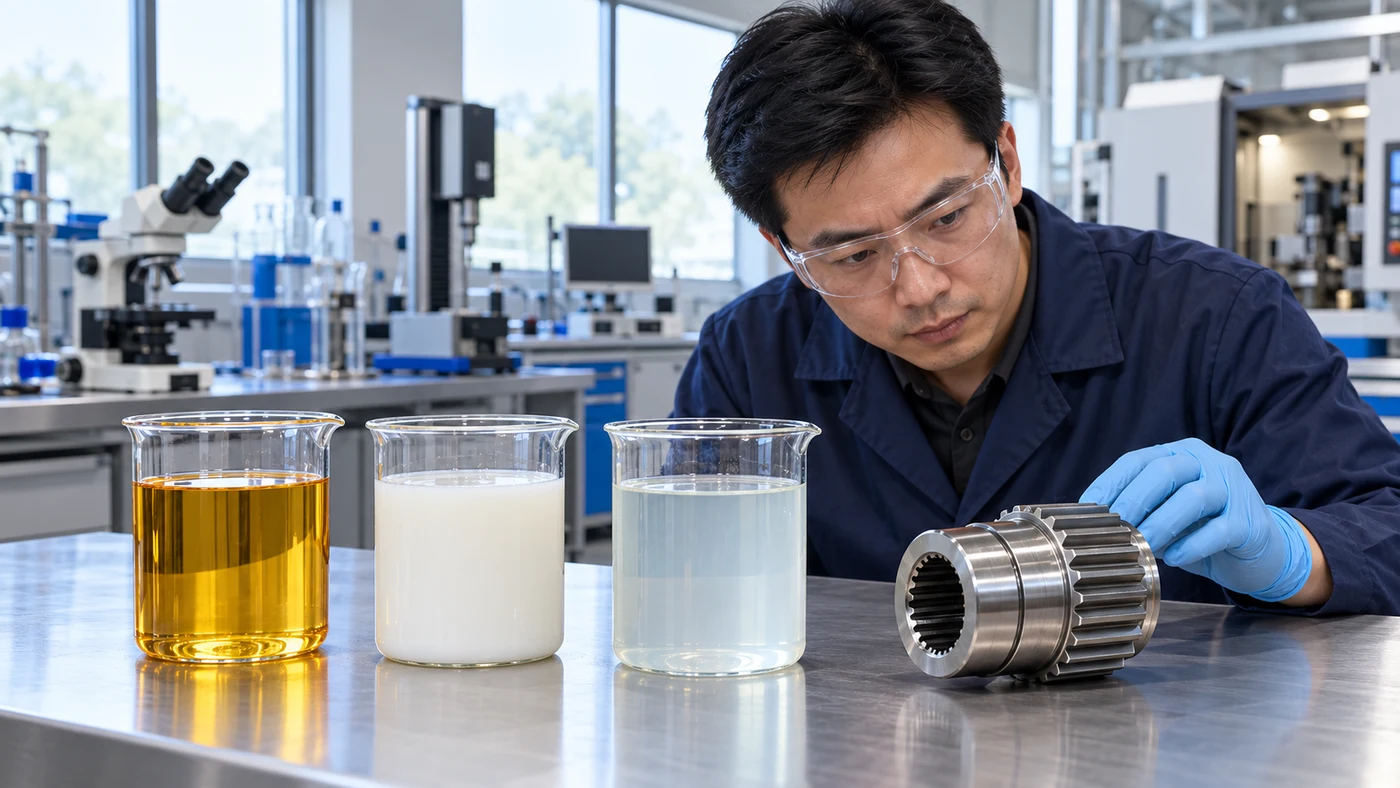
Both water-miscible fluids and grinding oils appear in supported creep-feed applications. The choice starts with the machine's permitted fluids and the actual wheel construction. A successful comparison on one nickel alloy and wheel does not establish a universal winner for all jobs. Evaluate the formulation's lubrication, cooling, foam behavior, corrosion protection, residues and material compatibility. Include any cleaning, coating or inspection steps after grinding. For a water-miscible coolant, follow the product-specific mixing and water-quality instructions. Interpret a refractometer reading with the required product factor, and record the actual concentration. Keep abrasive and metal debris from returning to the grinding zone, and maintain the specified fluid-temperature conditions. A change from diluted coolant to oil needs equipment-supplier review of the complete installation. QA has coolant and grinding-oil options; confirm the permitted formulation before a production trial.
Verify Profile and Surface Integrity Separately
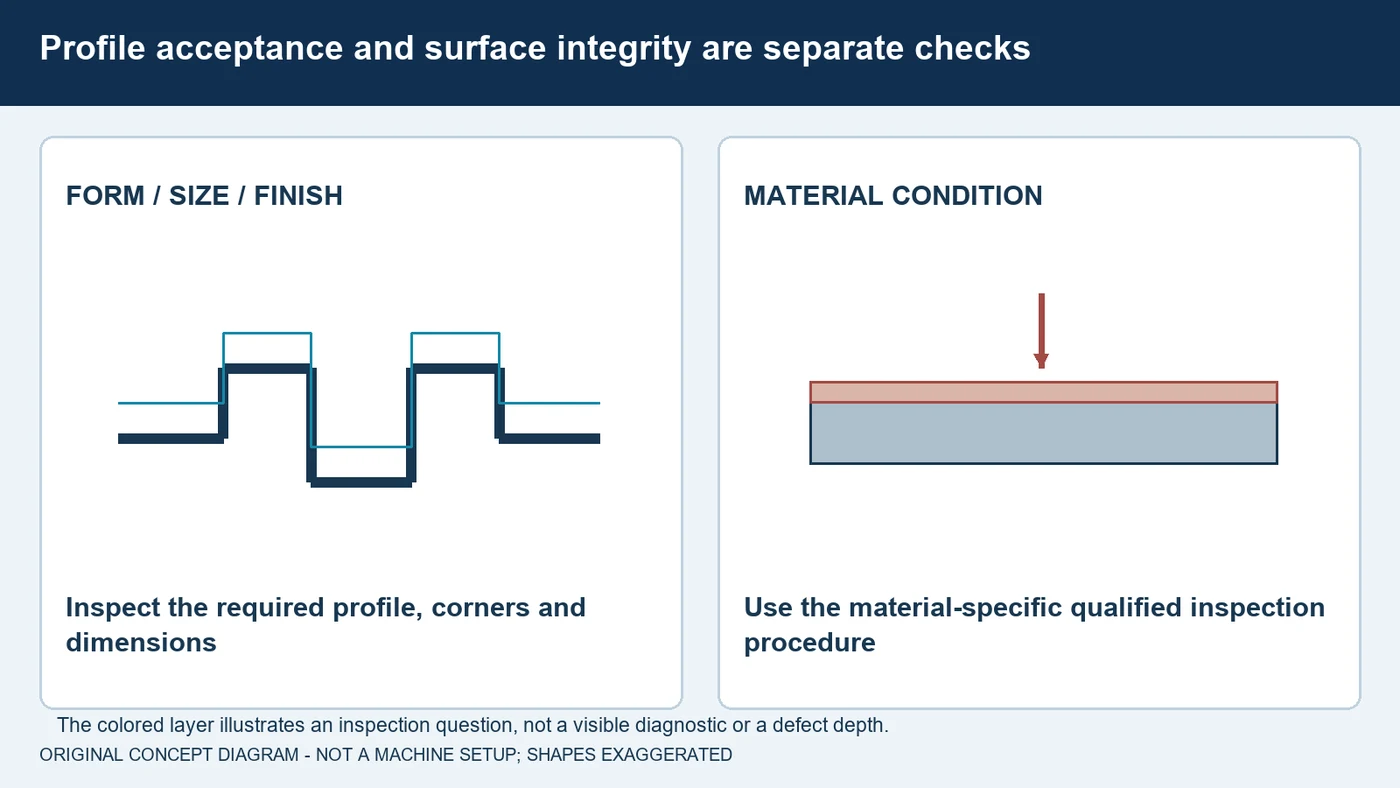
A feature can appear smooth and still fail its acceptance requirements. Measure the profile, dimensions, corner condition and finish using the specified inspection method. Thermal damage is a separate question. Visible discoloration alone is not a reliable test: a later pass can remove visible evidence without proving that the underlying material is acceptable. The required surface-integrity method depends on the alloy, component specification and qualified inspection procedure. Do not apply a hardened-steel inspection method indiscriminately to nickel alloys or other materials. If there is a power change, size drift, form loss or a suspected thermal issue, review the whole process. Check wheel and dresser condition, engagement, fixture support, delivered fluid and cleanliness before making a documented change. Compare the resulting parts against both dimensional and material-condition requirements, not against appearance alone.
Build a Measurable Creep-Feed Fluid Trial
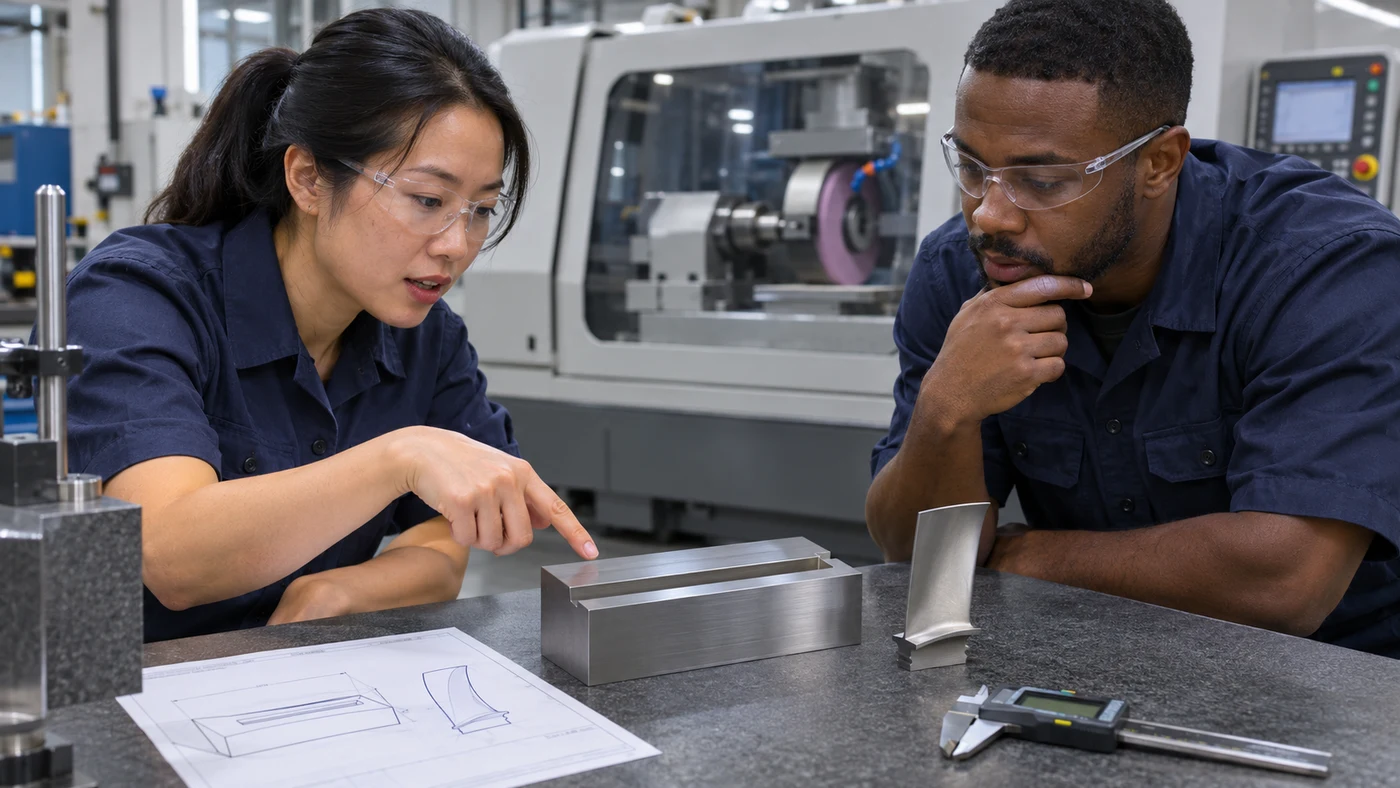
For a creep-feed grinding inquiry, send QA the feature drawing, material grade and condition, incoming stock and acceptance requirements. Include the machine, workholding, wheel specification, dresser and supported grinding cycle. Explain whether the issue is profile retention, finish, loading, thermal damage, cleanliness or another measured result. Provide the current fluid, delivery arrangement, filtration details and temperature conditions. For diluted coolant, add water quality and concentration records. Agree on what will remain controlled and what will change during the trial. Record accepted parts, wheel consumption, dressing and the relevant inspection results so that a faster cycle is not mistaken for a better process when quality changes. QA has coolant and oil options for your application. Confirm the final formulation and operating conditions with the relevant equipment, abrasive and fluid suppliers before adopting the revised process.
Fluid selection by material
Use these as evaluation questions, not blanket product approvals.
| Material | What to evaluate | What to confirm |
|---|---|---|
| Nickel-based superalloys | Evaluate the actual fluid with the specified wheel, deep contact and thermal demand. | Profile, dressing, coolant access and the component-specific surface-integrity procedure. |
| Hardened steels and tool steels | Review lubrication, cooling and corrosion protection for the actual hardness and contact. | Wheel condition, removal strategy and qualified burn-testing requirements. |
| Titanium alloys and titanium aluminides | Use only an application-qualified material, abrasive and fluid combination. | Supported process, loading, heat control, cleaning and machine requirements. |
| Stainless steels | Review alloy-specific behavior, loading, fluid chemistry and residue removal. | Fixture stiffness, profile retention and accepted surface condition. |
| Aluminum and copper alloys | Confirm that creep-feed is appropriate and check material-specific staining and wheel loading. | Machine permission, qualified abrasive selection, workholding and downstream cleaning. |
Questions about creep-feed grinding fluids
What makes creep-feed different from conventional surface grinding?
Creep-feed combines relatively deep engagement with slow work traverse. Conventional reciprocating surface grinding typically removes stock with many shallow passes. The actual machine and supported process determine the limits.
Does creep-feed grinding always use continuous dressing?
No. Some cycles dress between passes or parts; continuous dressing is a separate supported option. Wheel construction, profile requirements and machine capability determine the method.
Can an ordinary surface grinder be converted by slowing the table?
Not by that change alone. Equipment capability, power, rigidity, workholding, abrasive preparation and coolant delivery must be qualified together.
Is more coolant pressure always the solution to grinding burn?
No. Useful contact supply depends on delivery geometry, the wheel and the complete circuit. Abrasive condition, engagement and material also affect heat generation. Use a qualified process review.
Is grinding oil always better than water-miscible coolant?
No universal ranking applies. Published comparison results belong to their stated material, wheel and conditions. Confirm machine permission, abrasive compatibility and application-specific acceptance.
Can I judge thermal damage from color alone?
No. Visible appearance can miss damage, including evidence removed by a later pass. Use the material-appropriate inspection method required by the component specification.
Discuss your application with QA
QA Lubricants has coolant and oil options. Send us the operation, alloy, hardness, tooling, current fluid and the problem you want to solve.
Discuss My ApplicationShop Water Diluted CoolantsShop Straight Cutting OilsTechnical references
- UNITED GRINDING: creep-feed equipment, applications and fluid choices
- Norton: creepfeed contact, porous wheels and delivery systems
- ATLANTIC: profile surface grinding and continuous dressing
- Noritake: truing and dressing functions
- UNITED GRINDING: grinding burn and material-appropriate inspection
- Norton: formulation comparison in an Inconel creepfeed trial
- FUCHS: material compatibility and downstream fluid selection
- Blaser Swisslube: product-specific coolant concentration measurement
- UNITED GRINDING: cleanliness, filtration and thermal regulation
- Norton: finish, dressing, delivery and machine-condition interactions
- UNITED GRINDING: creepfeed cycles and coolant-nozzle tracking
Original educational content and illustrations. Confirm current machine, tool and fluid instructions. Trademarks belong to their respective owners.