
Thread Turning & Die Threading Cutting Oils and Coolants
Explore lathe thread cutting, internal and external threads, die and chaser threading, chip control, material compatibility and cutting-fluid selection with QA Lubricants.
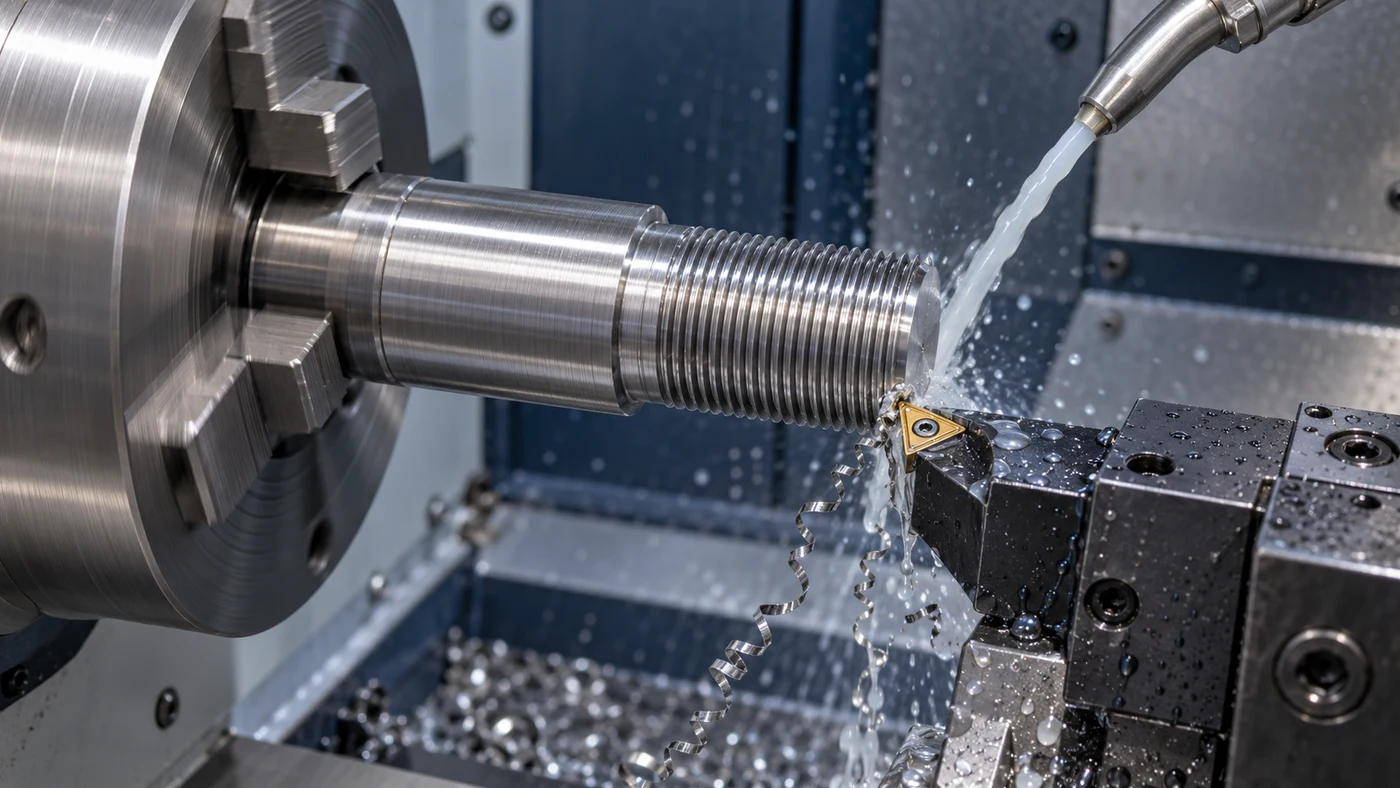
Watch: Thread Turning & Die Threading Cutting Oils and Coolants
Two Thread-Cutting Processes, Different Fluid Access
Thread turning and die threading both remove metal to create a thread, but their cutting arrangements differ. A lathe threading tool generates the profile through coordinated workpiece rotation and axial movement, commonly in a series of passes. A cutting die or chaser head uses several cutting edges around an external feature. Thread rolling and thread forming displace material instead; this guide does not treat those as interchangeable operations. Begin with the drawing and the permitted manufacturing method. Identify the thread form, size, pitch, handedness, required length and whether the thread is straight or tapered. Include the inspection requirements and material condition. These details determine the tooling and setup questions that come before choosing a cutting oil or coolant. A fluid change should support a correctly defined process, rather than compensate for the wrong method or tool.
Match the Insert, Profile & Workpiece Preparation
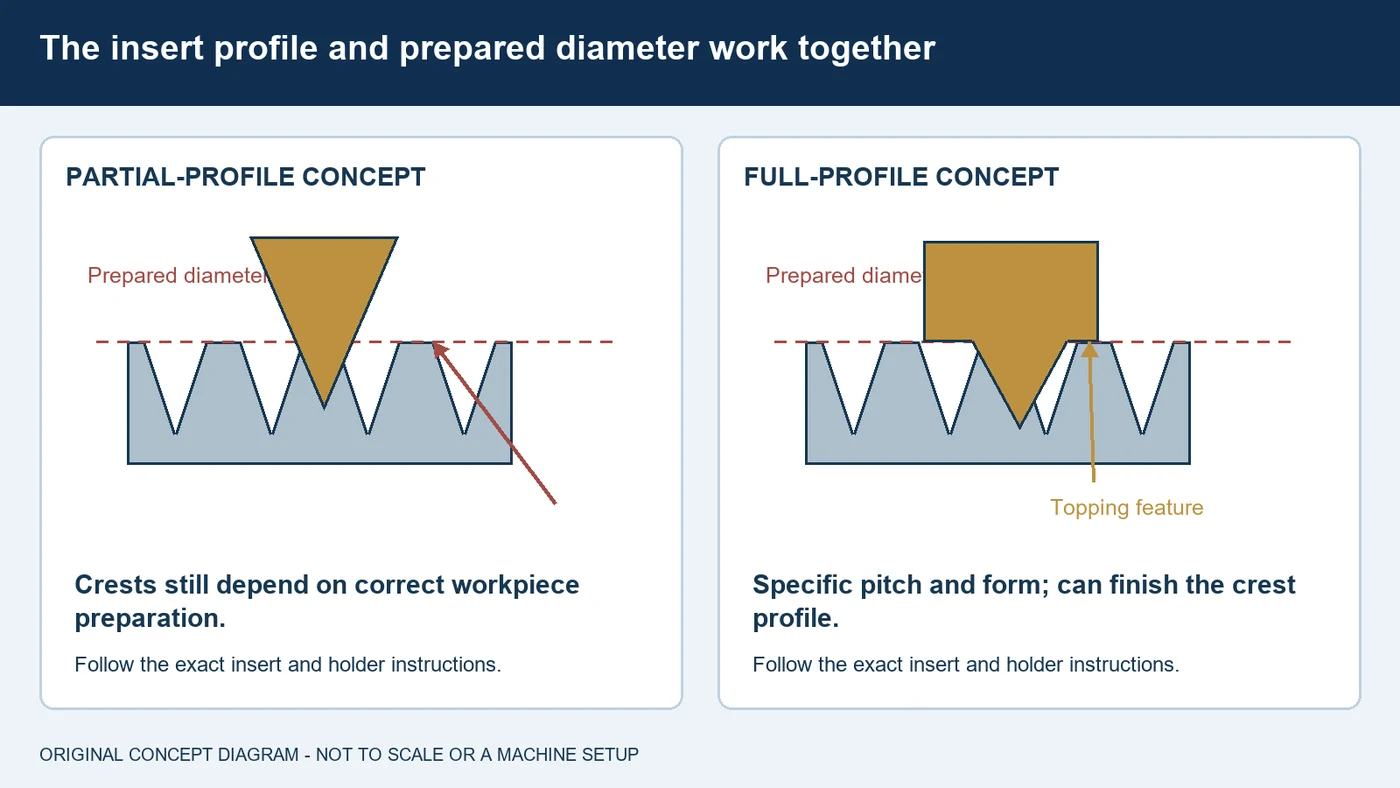
Single-point threading tools use different profiles, grades and geometries. A full-profile insert is intended for a specific pitch and form and can finish thread features that a partial-profile insert leaves dependent on prior preparation. A partial profile is therefore not permission to ignore the starting diameter or crest requirements. Check the specified workpiece preparation and the actual surface condition before threading. Confirm the holder, insert seat, clearance and any required shim for the thread and tool combination. A change in lead or handedness can affect that review. Follow the approved setting procedure for alignment and center height, and keep tool overhang appropriate for the application. Do not alter a shim or assume the holder setup from a different job is correct. The fluid cannot correct an insert rubbing because its geometry or orientation is unsuitable.
Coordinate Lead, Infeed & the Threading Cycle
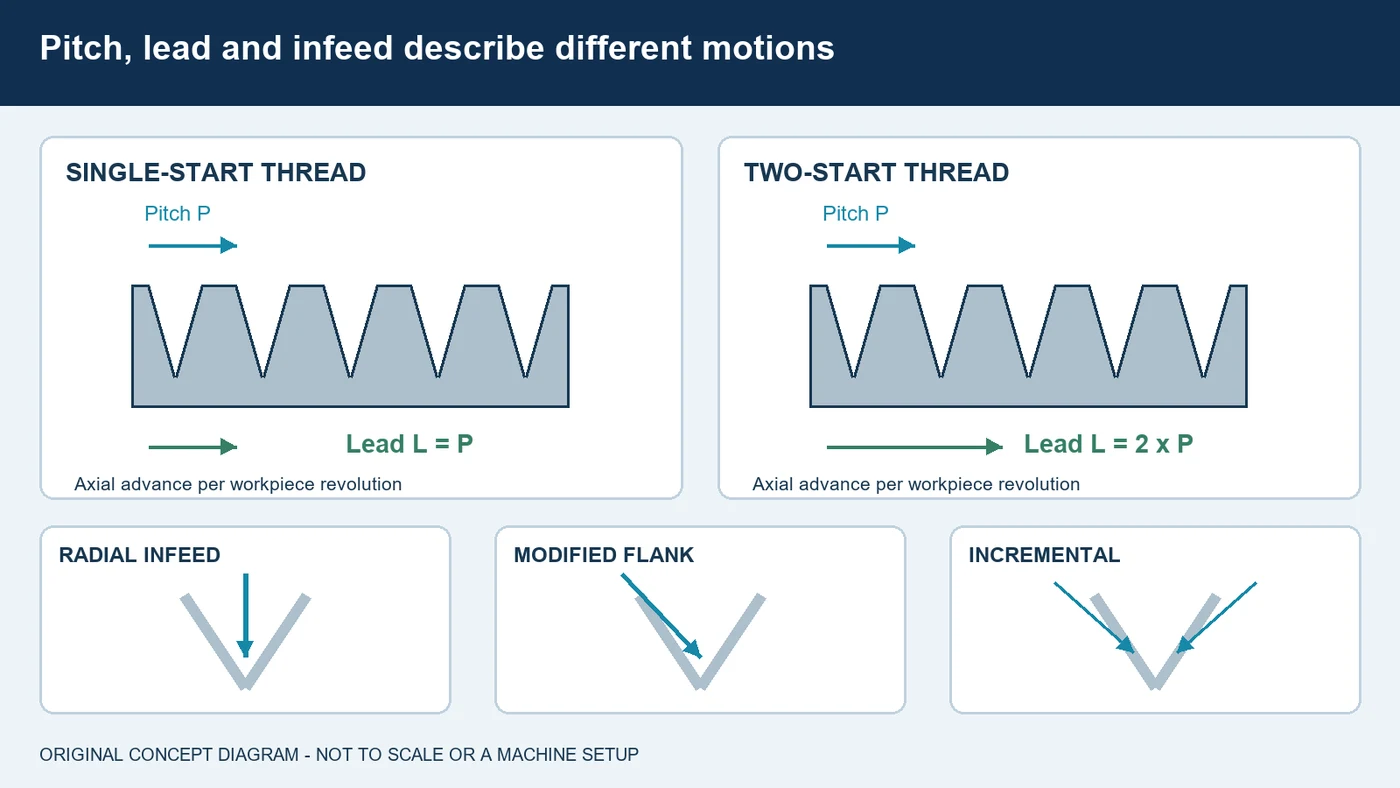
A threading cycle must coordinate axial advance with workpiece rotation. For a conventional single-start thread, one workpiece revolution advances one pitch. With multiple starts, the required lead is the pitch multiplied by the number of starts. Confirm the control's input convention rather than assuming a pitch field always means the same thing. The infeed strategy is a separate choice: radial, modified flank and other supported methods distribute cutting load and influence chip shape differently. The appropriate method depends on the insert geometry, material and application. Use the tool maker's pass recommendations and verify the cycle through the machine's approved procedure, including start position, runout space, shoulder clearance and withdrawal. Do not transfer a pass schedule from another thread merely because the nominal diameter is similar. Lubrication does not replace the correct motion or clearance.
Get Fluid to the Edge & Give Chips a Route Out
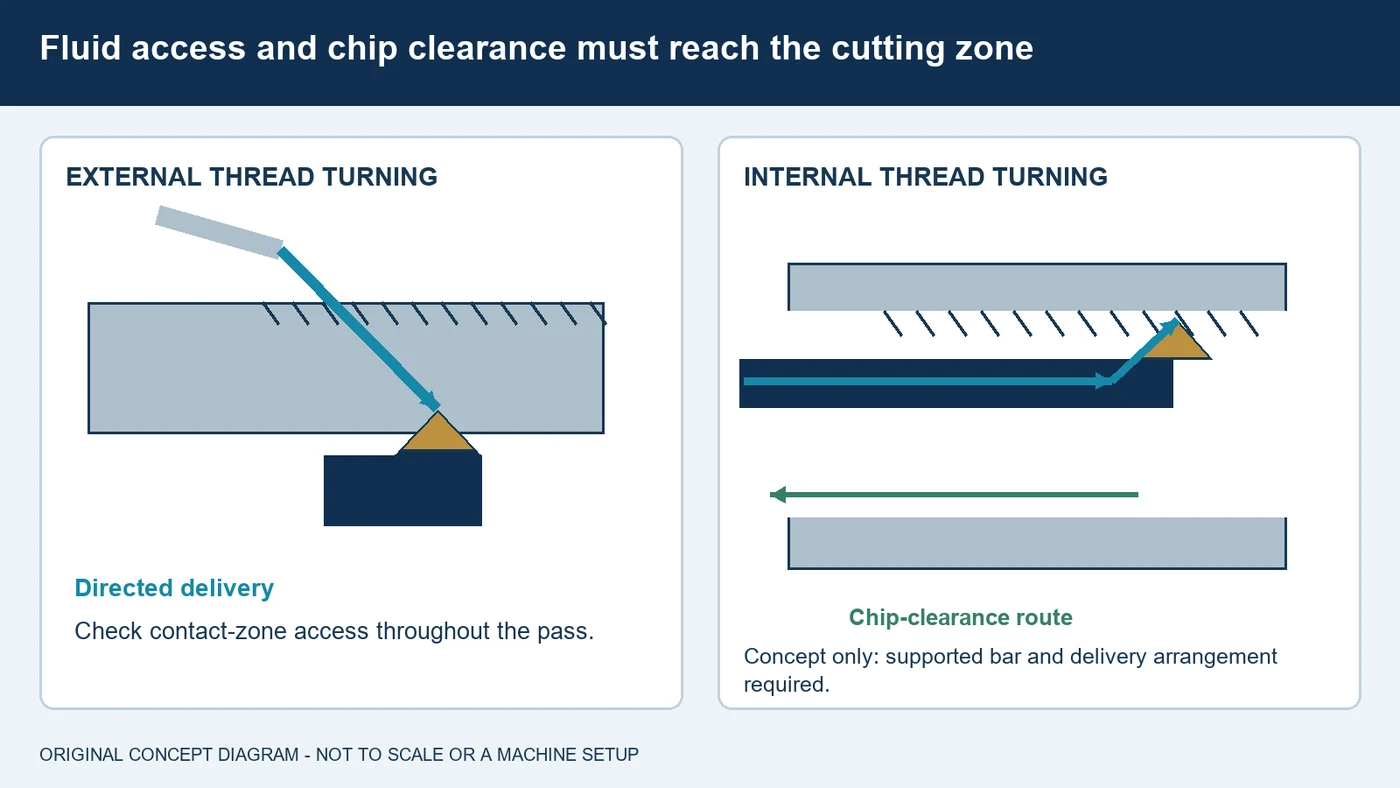
Effective fluid supply is about access to the cutting region, not simply the amount visible around the machine. External threading may allow a directed supply, while internal threading can place the edge deep inside a bore. Some holders and bars deliver fluid close to that edge through internal passages. Review the actual outlets, tool orientation, reach, filtration and available supply against the machine and tooling guidance. In a blind bore, chips also need a workable route away from the thread and shoulder. More pressure by itself is not a universal solution, and changing the cutting direction can introduce other tooling and clearance considerations. Keep connections and operation within their ratings. Observe abnormal chip accumulation only through the approved machine procedure, and stop safely before inspection or adjustment. The objective is a supported, repeatable supply through the threading cycle.
Treat Cutting Dies & Chaser Heads as Their Own Setup
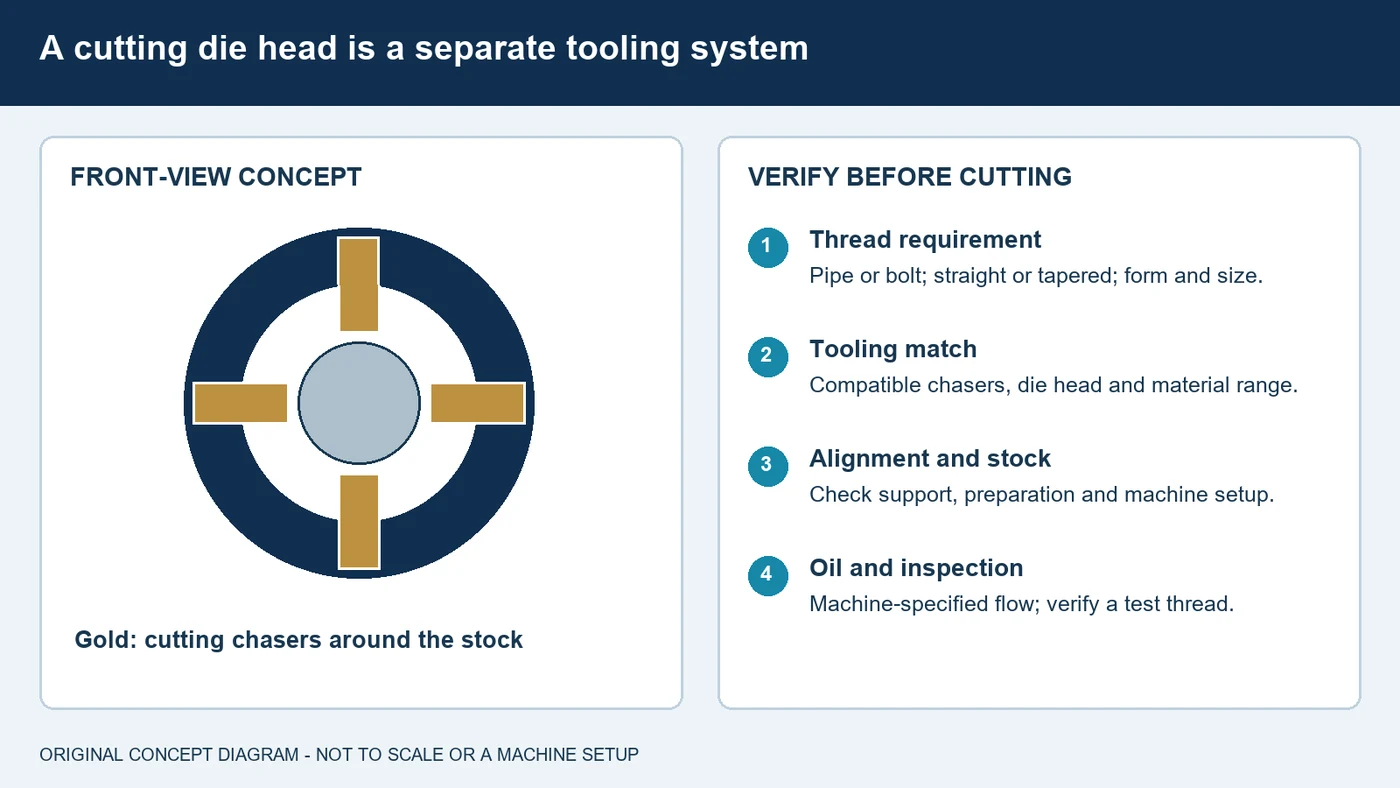
Die threading requires the correct cutting die or chaser set for the thread and machine. Pipe-thread tooling and bolt-thread tooling are not automatically interchangeable, and straight and tapered threads need the correct configuration. Confirm the stock dimensions and material, entry preparation, die condition, assembly positions and supported head setting using the manufacturer's instructions. Review alignment and workpiece support before blaming the lubricant for an uneven result. On powered threading equipment, inspect the specified oil supply route through or around the head and the required reservoir and filtration condition. Some machines specify a particular oil, so verify an alternative before substitution. Use the approved procedure to cut and inspect a test thread after a relevant setup or material change. Never use a mating fitting alone as proof that every thread requirement has been met.
Select Around the Material, Tool & Machine
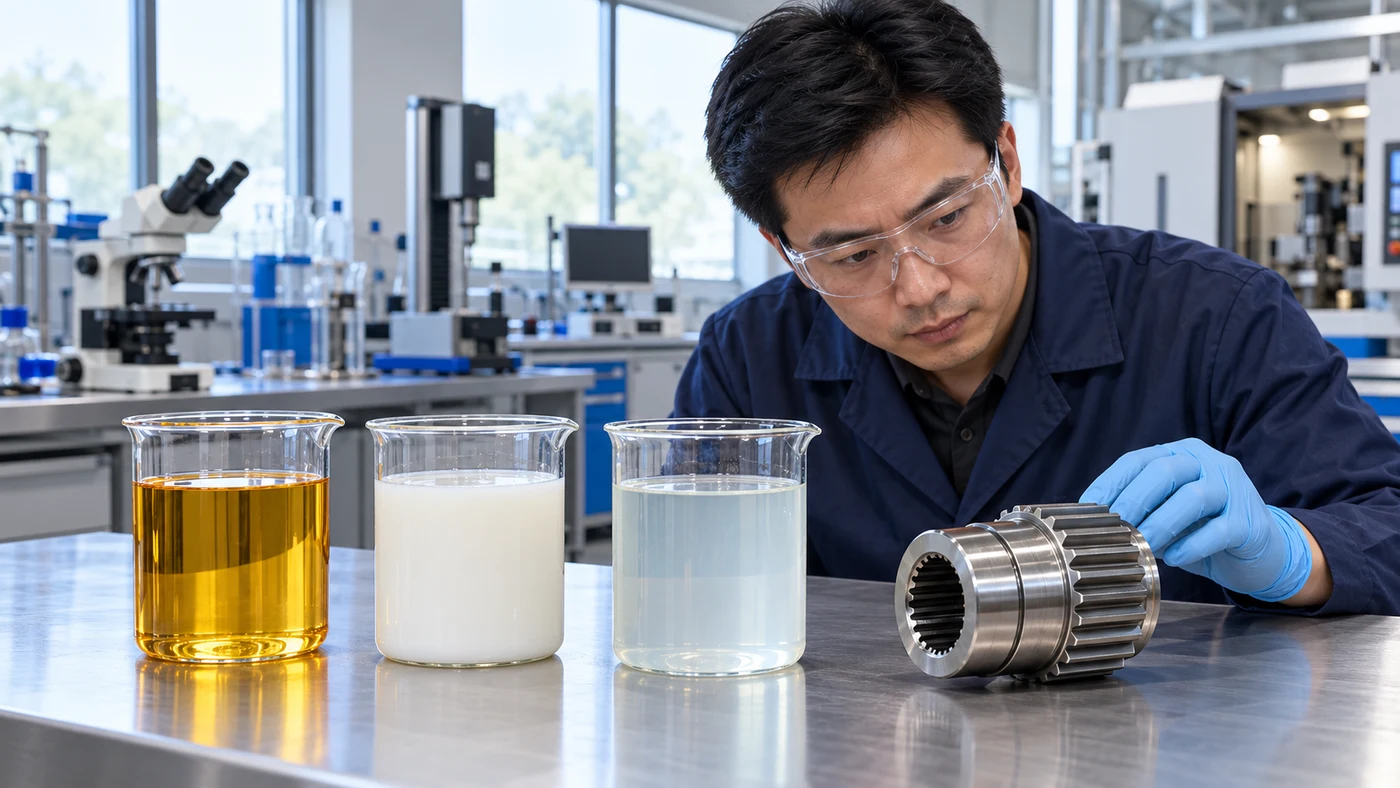
Where the application permits a choice, evaluate the actual cutting-fluid formulation against the operation. A water-miscible coolant and a straight cutting oil have different system requirements; do not rank all products from those labels alone. Review lubrication, chip handling, delivery, machine compatibility and finished-thread quality together. Aluminum and copper-containing materials call for attention to staining and additive compatibility, including active-sulfur restrictions where applicable. Stainless, titanium and nickel alloys need the exact grade and condition reviewed with the tool and fluid suppliers. Include the other materials in a shared sump and any cleaning, residue or customer-process requirements. Maintain a diluted coolant at its specified application concentration using its product-specific measurement method. A thread cutting oil needs its own condition checks. Do not mix an unknown threading additive into the system to hide a setup or delivery problem.
Separate Tool, Setup, Fluid & Inspection Problems
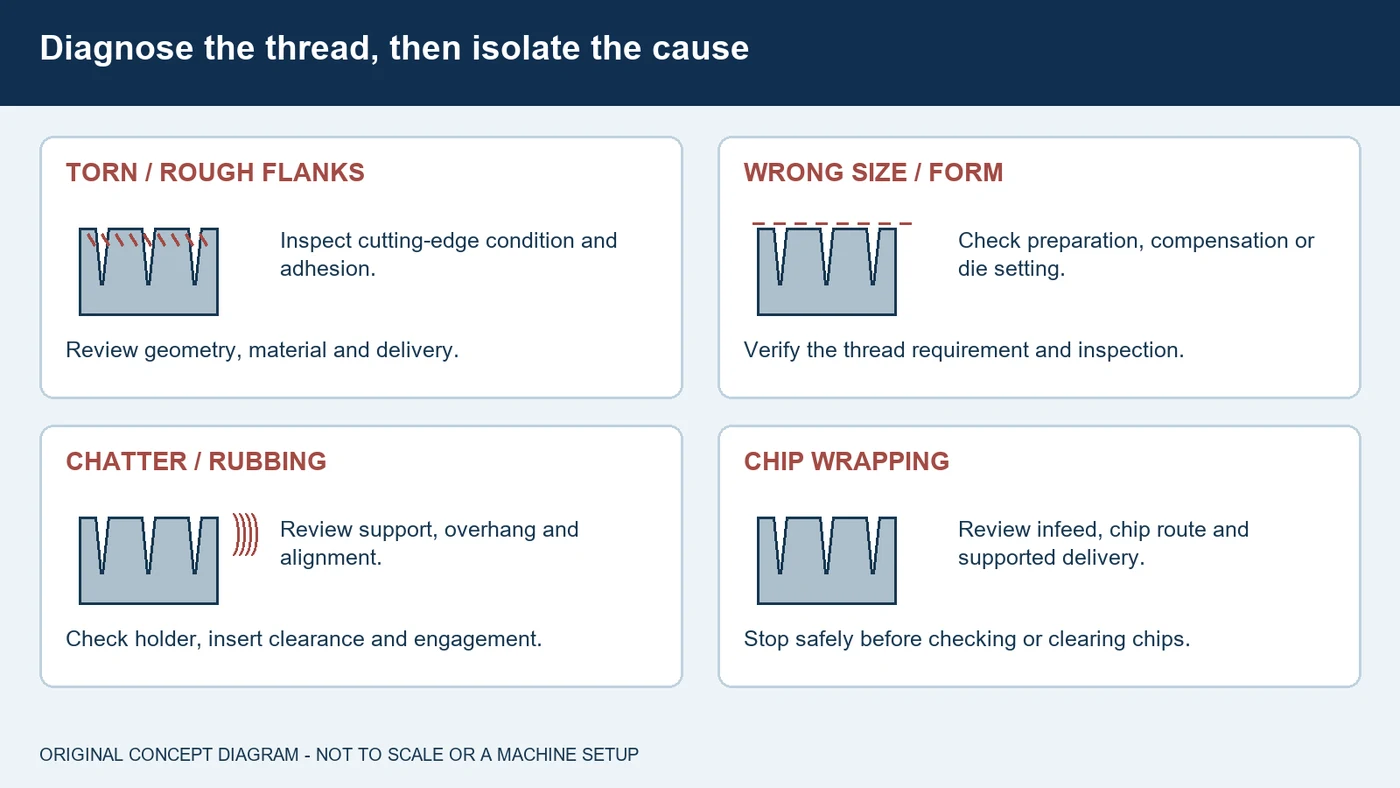
Torn or rough threads can involve damaged edges, material adhering to the tool, an unsuitable cutting condition, contamination or poor lubrication access. A size error may instead begin with preparation, compensation, tool dimensions or the die-head setting. Chatter calls for a stability check, including workholding and tool reach. Record where the problem appears: at entry, along the thread, near a shoulder or during withdrawal. Inspect the tool and the affected thread safely, then use the relevant manufacturer's troubleshooting guidance to choose the next check. Gauge and measure against the drawing and the agreed inspection procedure, including taper or other specified features. During a fluid trial, record the tool, material, setup, delivery and fluid condition alongside conforming output, tool use and cleaning results. Change supported variables deliberately rather than attributing every defect to the oil.
Bring QA Your Thread-Cutting Application
To discuss a thread cutting oil or coolant with QA Lubricants, tell us whether you are single-point thread turning, using a cutting die or running a chaser head. Include internal or external threading, straight or tapered form, pitch or lead, required depth and the material's exact grade and condition. Send the insert and holder details or die-head and chaser identification, along with the machine and its fluid requirements. Share the current product, delivery arrangement, maintenance method and the problem you want to solve. Add any staining, cleaning, drawing or customer-process restrictions. QA has coolant and cutting-oil options and can help evaluate candidates against the complete application. Agree on compatibility and trial acceptance criteria before a change. Explore more machining guides at QA Lube dot com, or call one, eight seven seven, eight seven seven, six two two one.
Fluid selection by material
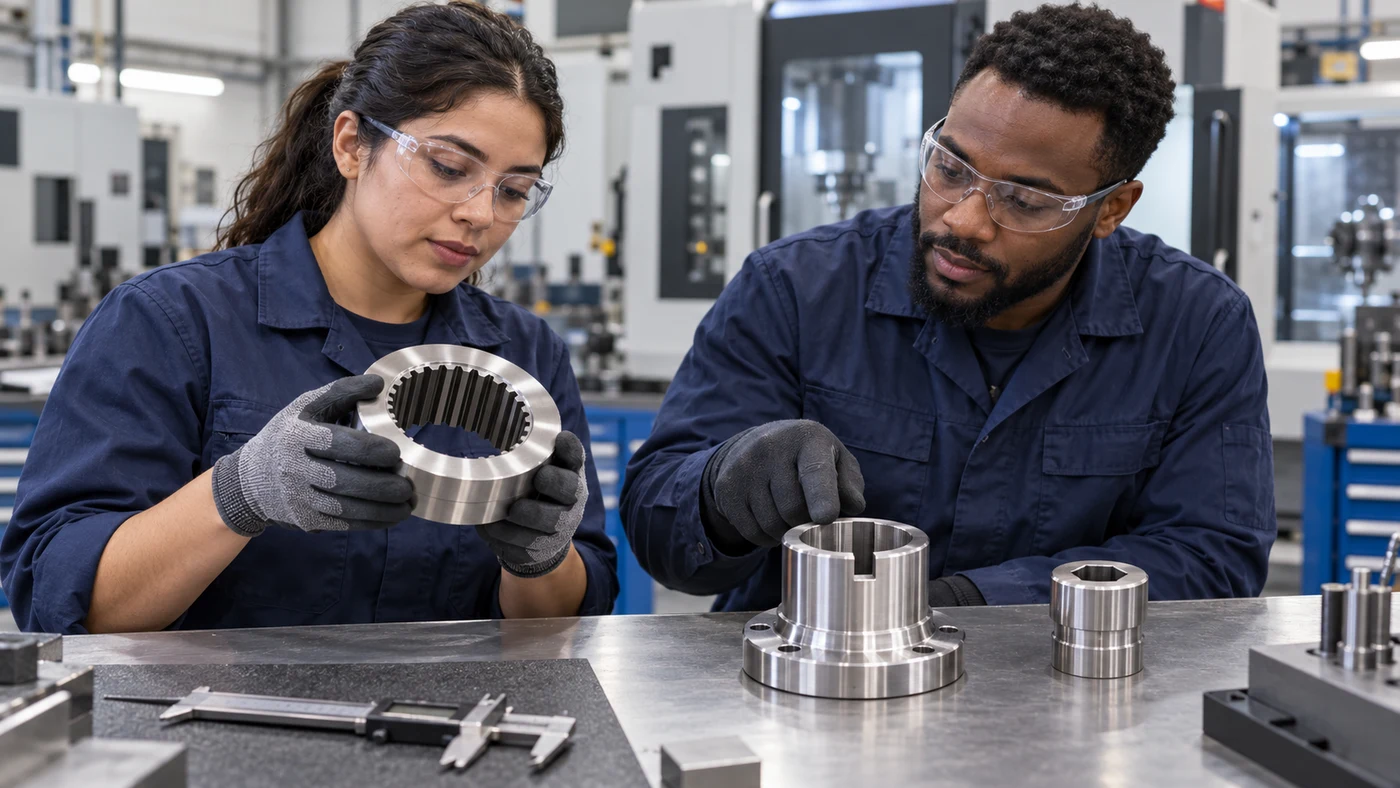
Use these as evaluation questions, not blanket product approvals.
| Material | What to evaluate | What to confirm |
|---|---|---|
| Low-carbon and alloy steels | Evaluate adhesion, chip shape, lubrication and the supported cutting conditions. | Grade, hardness, insert or die geometry, preparation and the required thread acceptance. |
| Austenitic stainless steels | Review work hardening, built-up edge, chip control and delivery at the actual contact. | Exact grade and condition; tool and machine guidance; formulation and cleaning requirements. |
| Aluminum alloys | Evaluate nonstaining lubrication and adhesion control alongside chip removal. | Alloy, temper, thread profile, finish requirements and additive compatibility. |
| Copper, brass and bronze | Evaluate nonstaining additive chemistry, including active-sulfur compatibility. | Specific alloy and staining limits; other materials sharing the sump and downstream cleaning. |
| Titanium and nickel alloys | Review the demands of the specific material, thread geometry and tooling. | Tool grade, heat treatment, machine-supported fluid arrangement and qualified-process limits. |
| Cast iron and hardened materials | Start with the tool supplier's permitted application and machining strategy. | Actual material range, hardness, grade and dry/wet guidance; do not transfer a steel setup automatically. |
| Pipe, tube and bar stock for die heads | Review stock condition, die material, alignment and the machine-specified oil system. | Straight versus tapered thread; pipe versus bolt dies; supported material and inspection method. |
Questions about thread turning and die threading fluids
How is thread turning different from die threading?
Thread turning uses a threading tool and coordinated motion to generate a thread in a series of passes. A cutting die or chaser head has multiple cutting edges arranged around an external feature. Tooling, engagement, fluid access and setup requirements differ.
Does feed per revolution equal thread pitch?
For a conventional single-start thread, the axial advance per workpiece revolution equals the pitch. For a multi-start thread it equals the lead, which is pitch multiplied by the number of starts. Verify the control's input convention and the complete thread specification.
Can one insert or die cut every thread?
No. Confirm thread form, pitch or permitted pitch range, size, handedness, internal/external use, material and supported holder or die head. Partial-profile tooling also depends on the correctly prepared workpiece diameter.
Is straight cutting oil always better than a diluted coolant?
There is no universal ranking. Follow the machine, tooling and process requirements, then evaluate the actual formulation, material compatibility, delivery, cleaning and shared-sump needs. A machine-specified oil must not be replaced merely because another fluid has a similar family name.
Will more oil correct torn or undersize threads?
Inspect the cutting edges, setup, workpiece condition, compensation or die setting, chip removal and oil delivery together. More fluid cannot repair a damaged cutter or make the wrong thread geometry correct.
Can QA recommend a thread cutting fluid?
QA has coolant and cutting-oil options. Provide the exact operation, material and condition, thread requirements, tool or die-head model, machine guidance, delivery arrangement and current issue.
Discuss your application with QA
QA Lubricants has coolant and oil options. Send us the operation, alloy, hardness, tooling, current fluid and the problem you want to solve.
Discuss My ApplicationShop Water Diluted CoolantsShop Straight Cutting OilsTechnical references
- Sandvik Coromant: external and internal thread turning
- Sandvik Coromant: thread turning insert profiles, geometry and shims
- Sandvik Coromant: threading infeed methods
- Sandvik Coromant: thread turning tool setup
- Sandvik Coromant: thread turning application tips and fluid delivery
- Sandvik Coromant: thread turning troubleshooting
- Gühring: external-thread dies and threading process distinctions
- RIDGID: 535 threading machine manual, die selection, oil delivery and inspection examples
- RIDGID: role of thread cutting oil in its threading applications
- QualiChem: machining coolant application families
- Blaser Swisslube: coolant concentration measurement and product factors
Original educational content and illustrations. Confirm current machine, tool and fluid instructions. Trademarks belong to their respective owners.