Coolant Basics for Maximum Performance
Machine preparation, mixing, refractometer calibration, concentration and ongoing maintenance.
Watch Coolant Basics
QA Lubricants · Coolant troubleshooting
Seven common causes of foul-smelling coolant—and a practical maintenance plan to get your sump back on track.
Watch the training video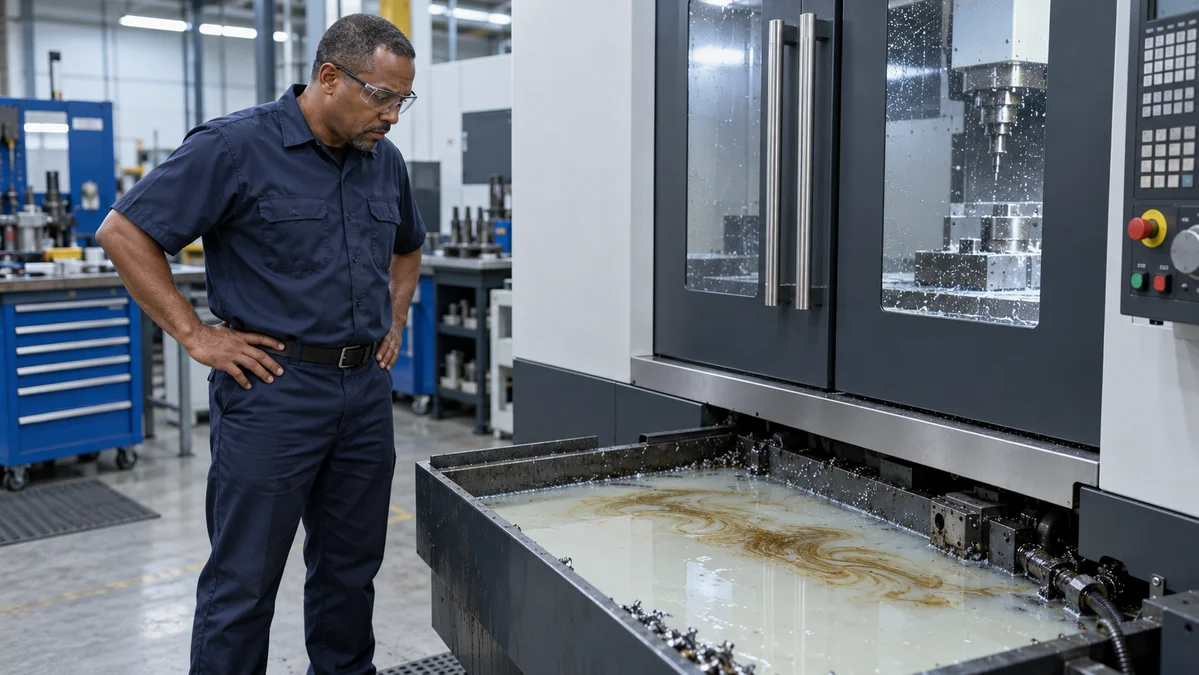
Narrated by the same professional male voice as Coolant Basics. English captions and chapter shortcuts are available. Illustrative training photographs.
Microbial growth, contamination and stagnant areas can contribute to rancid machining coolant. Check concentration, tramp oil, water quality, deposits and circulation together. Odor alone cannot identify the organism or determine the condition of the fluid; testing and a review with your coolant specialist help guide the response.
Start with the quality and suitability of your coolant. An economical fluid may perform well in the right application, but a formulation with limited biological resistance may need more attention in a demanding shop. Modern semi-synthetic coolants can offer improved fluid life, cleanliness, and resistance to microbial growth.
QualiChem Xtreme Cut 250C and QA Ultra 3250D are two examples worth discussing with your coolant specialist. Match the product to the materials you machine, the severity of the operation, and your water quality. Even an advanced coolant needs the correct concentration, a clean system, and regular maintenance.
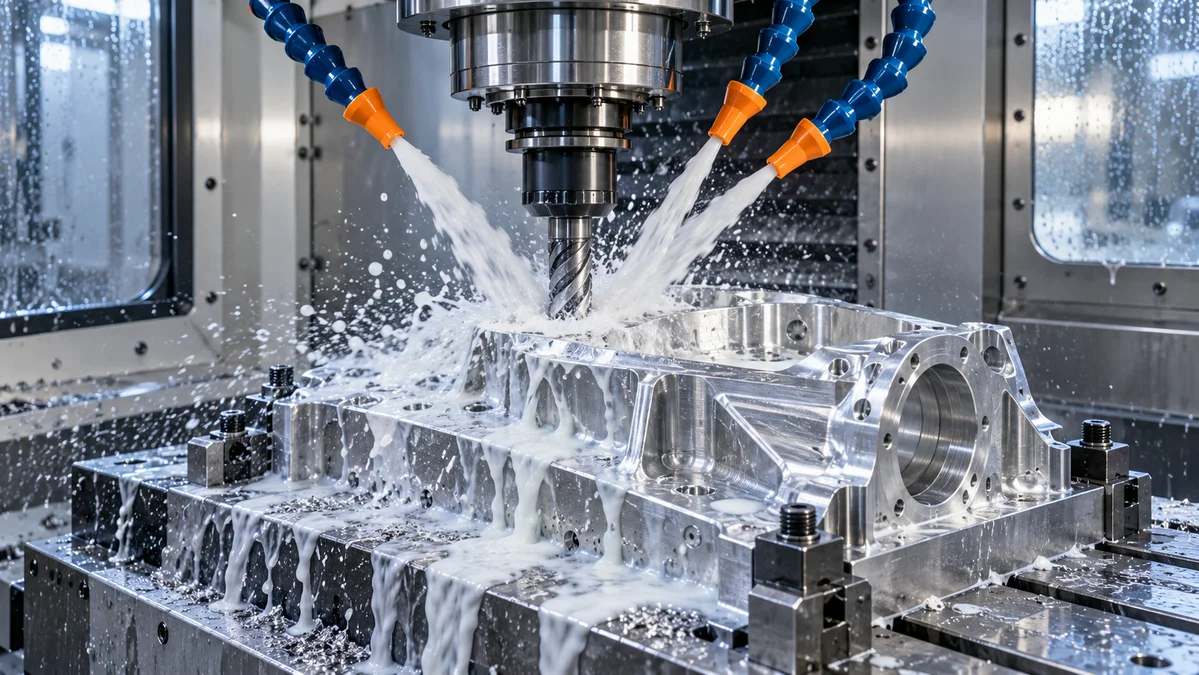
A fresh charge cannot fix a dirty machine. Old coolant, sludge, chips, and deposits can remain in tanks, return channels, pipework, and other hard-to-reach areas. Those residues can contaminate new fluid and quickly bring the odor back.
Follow the machine manufacturer's shutdown and isolation procedures before cleaning. Use a compatible machine cleaner, circulate it as directed, remove accumulated solids and tramp oil, and clean the full coolant circuit. Drain and rinse as instructed before recharging. Our Coolant Basics for Maximum Performance video explains machine preparation and fresh coolant charging in more detail.
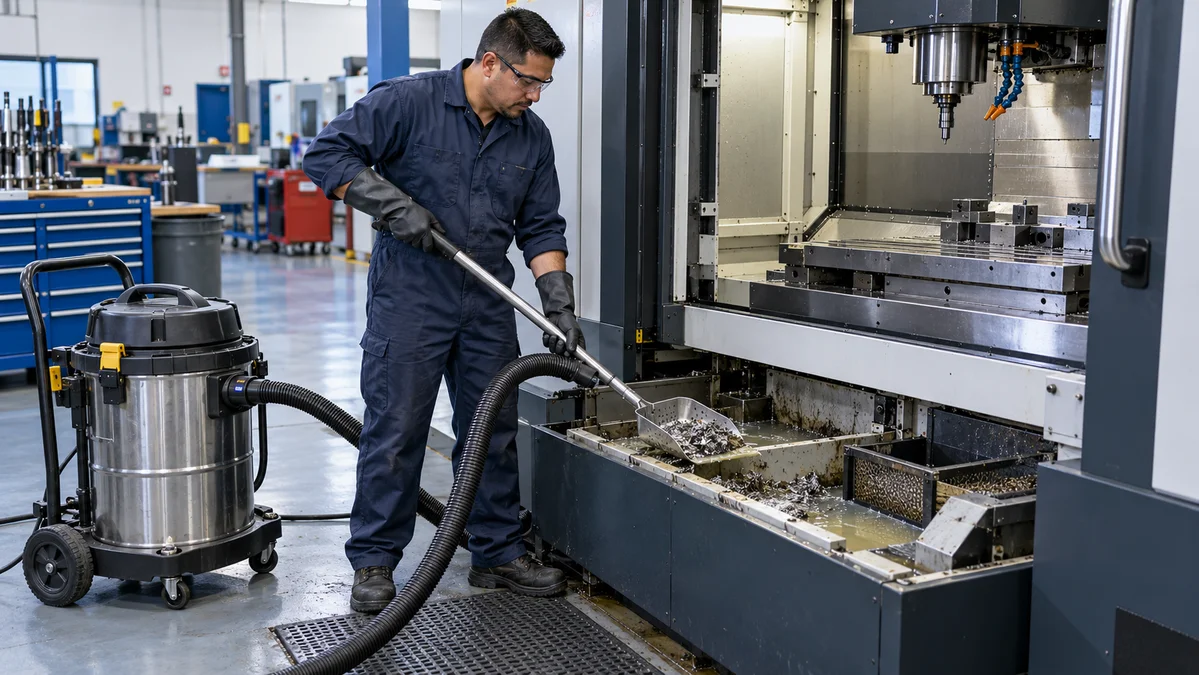
Running coolant too lean can reduce its corrosion protection, reserve alkalinity, and biological resistance. That makes it harder to maintain a healthy sump. Check concentration regularly, ideally as part of your daily machine checks, using a calibrated refractometer. First zero the instrument with plain water from the same source used to mix your coolant.
Then measure a representative sample and apply the exact product's refractometer factor or conversion table. A Brix reading is not always the coolant percentage. Adjust the mix to the manufacturer's recommended range for your operation. More concentrate is not automatically better. Our Coolant Basics video shows how to calibrate the refractometer and manage concentration.
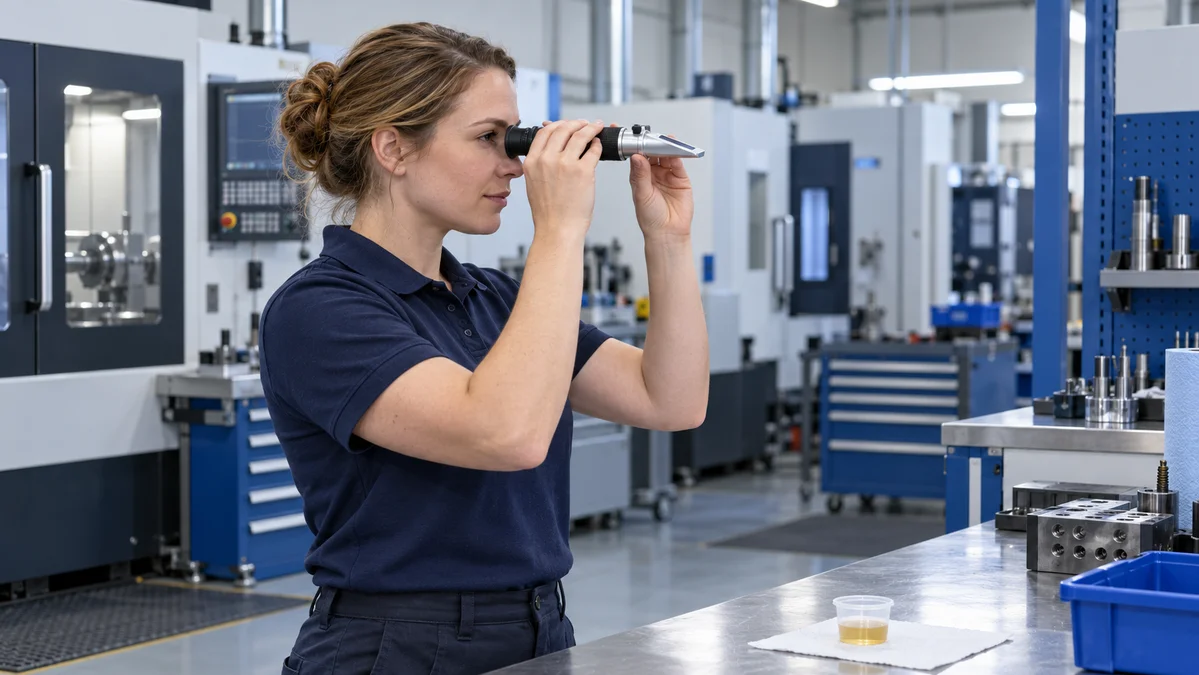
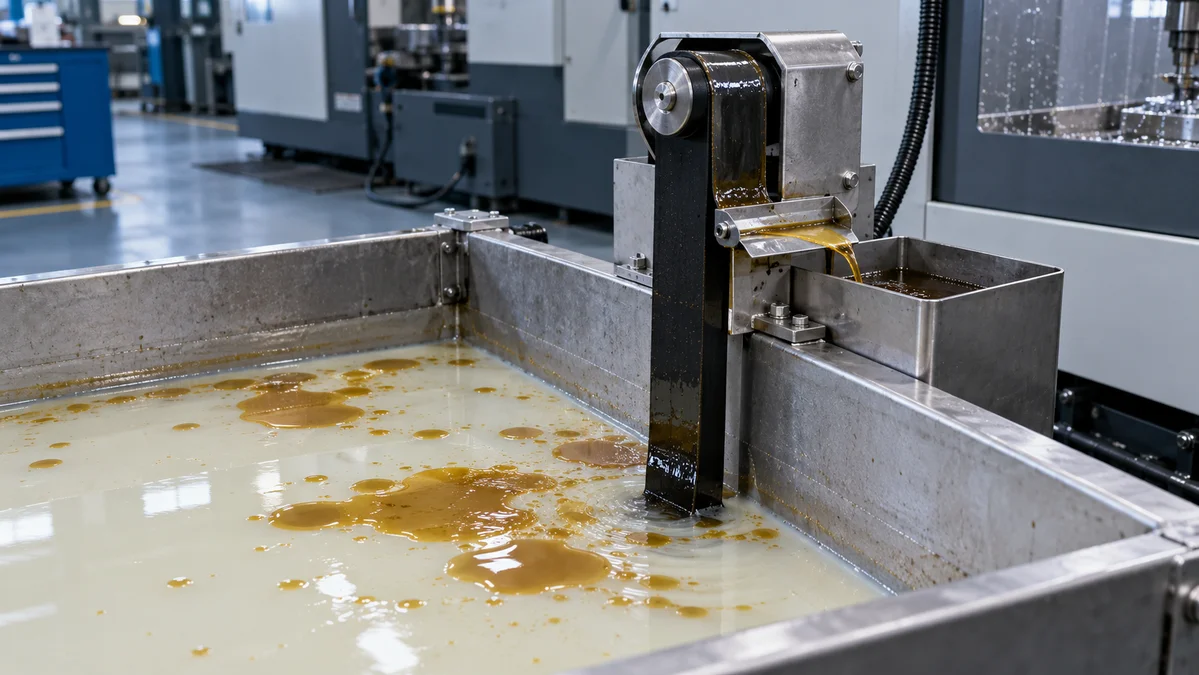
Hydraulic oil, way oil, and other unwanted lubricants can enter the sump as tramp oil. A heavy floating layer restricts air exchange at the surface, while oil and accumulated contamination can contribute to microbial problems. Some contaminating oils also interfere with coolant performance and emulsion stability.
Correct leaks where practical, remove floating oil with a suitable skimmer or separation system, and avoid pulling excessive coolant out with the waste oil. Your coolant specialist can help select the right equipment. Use a way lubricant designed to separate from water-based coolant, such as QA Premium Way Oil or Platinum Way Lube Clear, so unwanted oil is easier to remove.
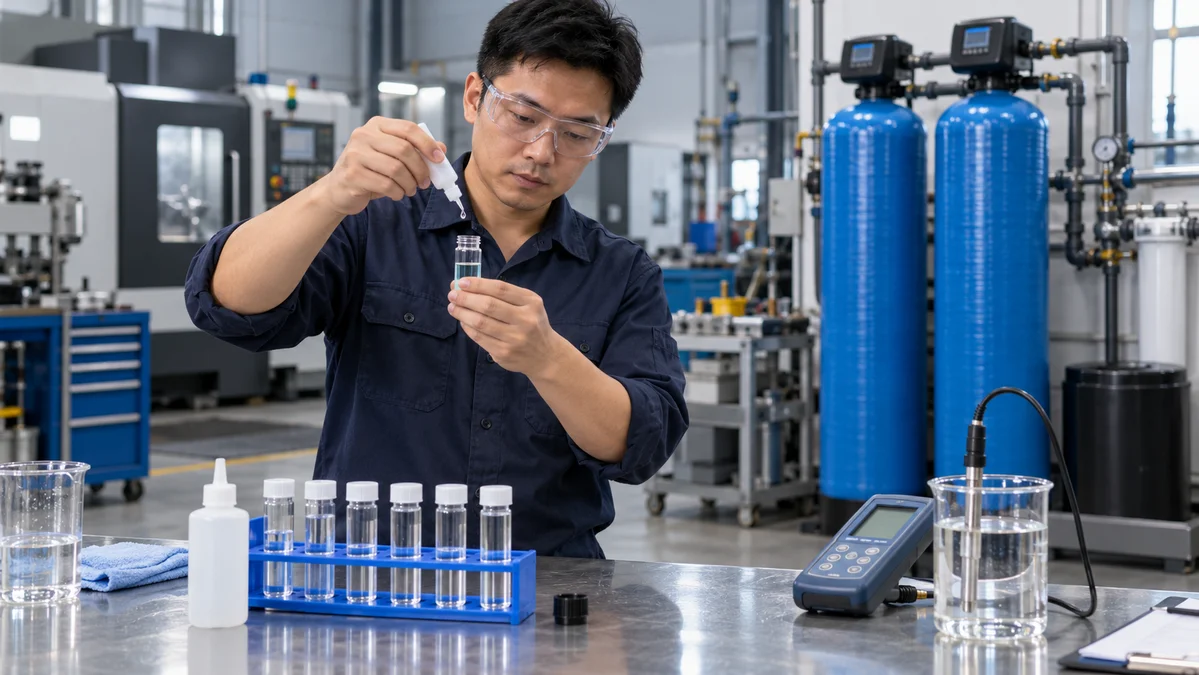
Water is the largest ingredient in a water-diluted coolant. Excessive hardness and dissolved salts can contribute to deposits, instability, corrosion, and shorter fluid life, depending on the formulation. Tap water may be suitable for an initial charge. But as water evaporates, most dissolved minerals stay behind.
Repeated makeup with mineral-rich water can increase that load over time. Have your mixing water and in-use coolant evaluated. Deionization or reverse osmosis may help, but the best choice depends on your water and coolant. Very soft water can also increase foam with some products. Watch our Water Quality and Coolant video for more detail on water treatment and mineral control.
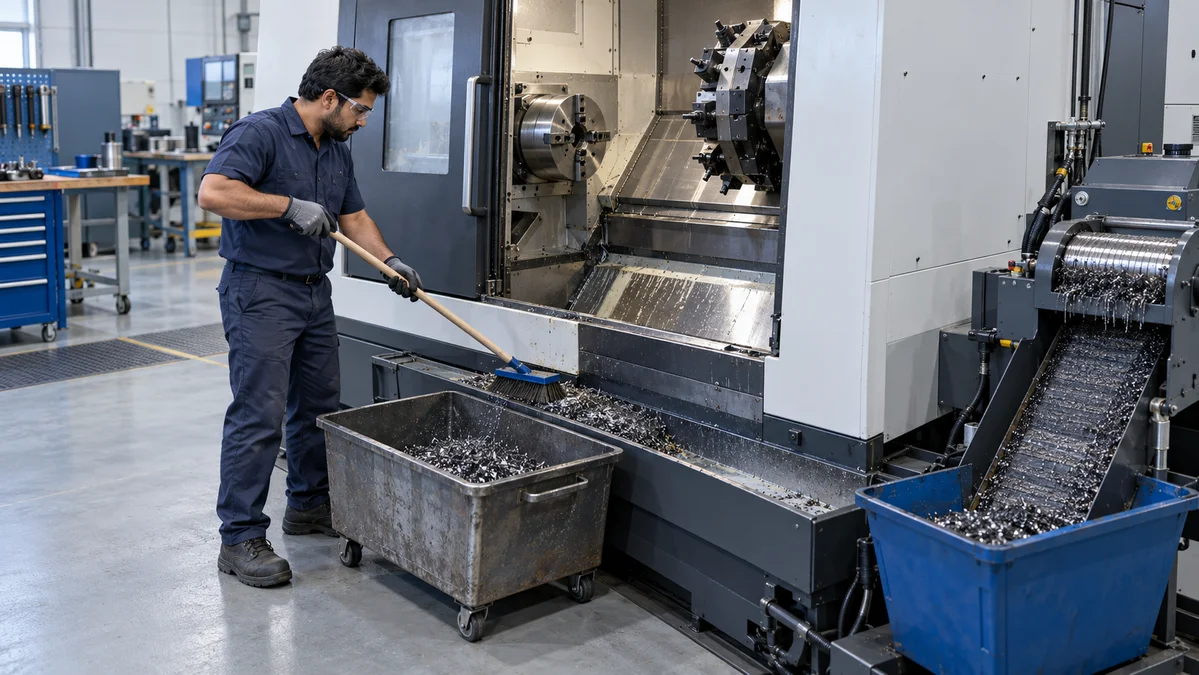
The material being machined and what arrives on its surface can affect coolant life. Cast iron and ductile iron generate fines that can accumulate in the sump. Incoming stock may also bring coatings, oils, dirt, or other contamination.
These deposits create dirty areas that are difficult to maintain and can contribute to coolant deterioration. Remove chips and fines regularly, maintain filters and return channels, and evaluate troublesome coatings or processing residues with your coolant specialist. Keep food, drinks, cigarette waste, paper, and other shop debris out of the machine. Good housekeeping is a simple but important part of preventing foul-smelling coolant.
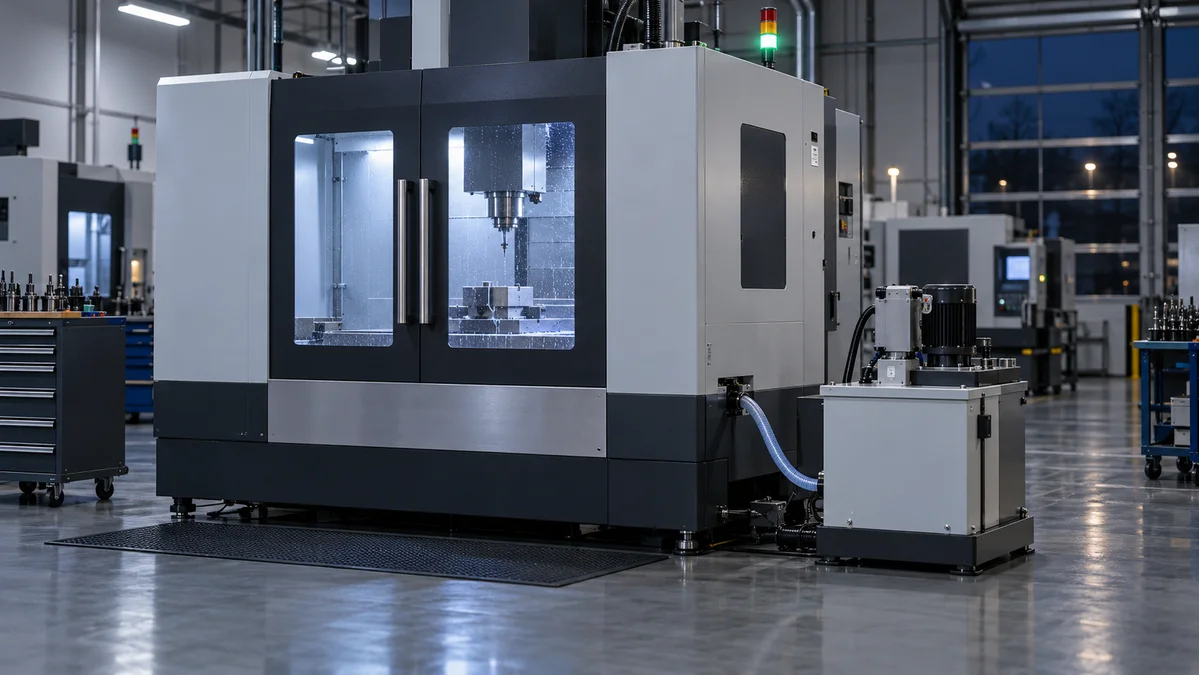
A machine that sits idle for several days can develop stagnant areas, especially beneath an oil layer or around settled solids. Before an extended shutdown, check concentration, remove tramp oil and chips, and review the condition of the fluid. Follow the machine builder's and coolant supplier's recommendations for circulation during downtime.
Where permitted, periodically circulating the coolant, or using a suitable sump aerator, can help reduce stagnation. Do not assume aeration alone will fix contaminated coolant. Use equipment intended for the job, control mist and splashing, and never bypass machine safeguards or shutdown procedures.
If your coolant already smells rancid, assess the fluid and correct the maintenance problems before choosing a treatment. QualiChem EQO-KLEEN SMP is a biocide-containing, mildly alkaline maintenance cleaner. QA recommends a 2% treatment for this in-service application. For example, that is 1 gallon of SMP for a 50-gallon sump, based on the coolant volume being treated. Confirm compatibility and the treatment plan with your QA specialist.
For cleaning before a fresh charge, follow the separate product instructions, including the recommended circulation and cleanout procedure. This product contains d-limonene and has a citrus odor. Follow its safety data sheet and required protective measures. Treatment is not a substitute for removing deposits, correcting contamination, and checking the coolant afterward. A heavily contaminated or degraded sump may need a complete cleanout and fresh charge.
For customers accessing the store from California, Nevada, Arizona or Utah. Quantity limit: 1. Visit the SMP page to check eligibility and add the free gallon to your cart.
View the free one-gallon SMP offerThe 2% in-service rate shown here is QA’s guidance for the application discussed. Confirm compatibility, dose and follow-up with QA. Machine-cleaning directions are a separate procedure.
Tell us your coolant product, sump size, concentration, materials, water source and how long the machine has been idle.
This guide combines QA Lubricants’ application guidance with QualiChem’s EQO-KLEEN SMP product information and HSE’s guidance on managing metalworking-fluid quality. Follow the current product instructions, safety data sheet and machine procedures. The 2% in-service treatment example is QA-provided application guidance.